

How Email Marketing Automation Works for Your Business
When most business owners think about email marketing, they picture a monthly newsletter, a promotional announcement or the occasional holiday sale.
And while those emails certainly have their place, there's a lot more your email marketing could be doing behind the scenes.
What if your business could welcome new subscribers, follow up with interested customers, remind shoppers about abandoned carts and reconnect with past clients — all without you having to manually hit Send every single time?
That's where email marketing automation comes in.
With the right strategy, automated emails can help you stay connected with your audience, nurture potential customers and create more opportunities for repeat business.
And the best part? Once they're set up, they can keep working
even when you're off the clock.
What Is Email Marketing Automation?
Email marketing automation is the process of sending emails automatically based on specific actions, events or conditions.
Rather than manually creating and sending every message, you establish a series of emails that are triggered when someone takes a particular action.
For example:
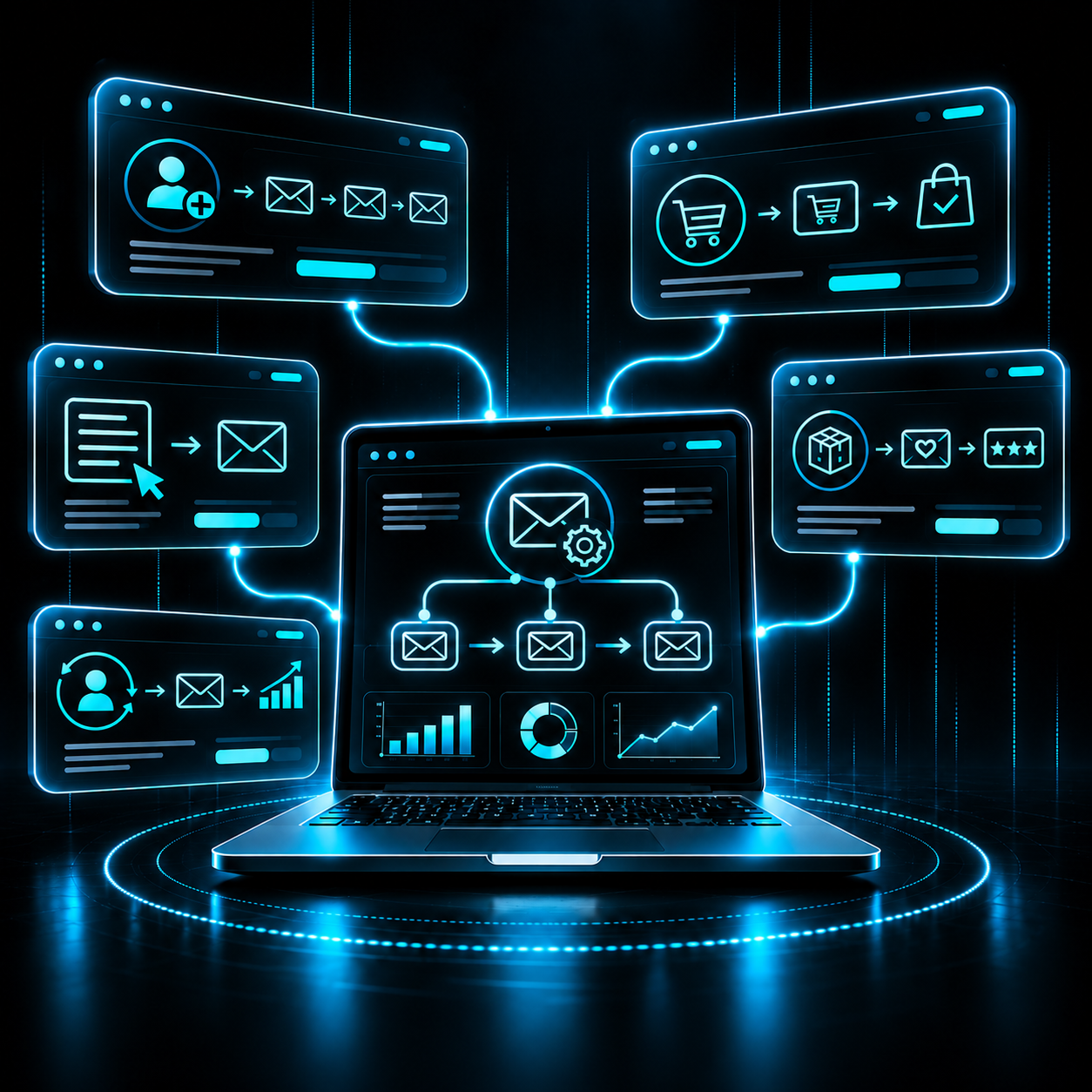
- Someone subscribes to your email list and receives a welcome message.
- A potential customer submits an inquiry and receives a follow-up with helpful information.
- An online shopper adds products to their cart but leaves without purchasing.
- A previous customer hasn't purchased or booked a service in several months.
Each of these situations creates an opportunity to send a relevant message at the right time.
And unlike a traditional newsletter that's sent to your entire mailing list at once, automated emails respond to where individual customers are in their journey with your business.
Think of it as having a helpful little marketing assistant working behind the scenes.
Why Should Your Business Use Email Automation?
Running a business means wearing a lot of hats. Between managing daily operations, responding to inquiries and delivering your products or services, consistent follow-ups can easily fall through the cracks.
Whether you're running an online store or a service-based business, staying connected with customers is essential. Email automation helps keep those conversations going without adding more to your workload.
For eCommerce businesses, that might mean recovering abandoned carts, welcoming new customers or encouraging repeat purchases. For service-based businesses, it could mean following up on inquiries, sharing helpful information, requesting reviews or reconnecting with past clients.
The benefits go beyond saving time. Automated emails help nurture potential customers, strengthen existing relationships and keep your business top of mind.
And because messages are triggered by specific actions or customer needs, you can deliver relevant communication at the right time — even when you're busy running your business.
5 Email Automations Worth Considering for Your Business
Not every business needs the same email marketing strategy.
An online clothing retailer will have different opportunities than a contractor, photographer or professional service provider.
But there are several types of automated emails that can benefit a wide range of businesses.
1. Welcome Email Sequences
First impressions matter, and that includes what happens after someone joins your email list.
A welcome sequence introduces subscribers to your business, helps establish expectations and gives them a reason to stay connected.
Instead of sending one generic "Thanks for subscribing!" message, you might create a short series that:
- Welcomes subscribers and introduces your brand.
- Highlights your products, services or areas of expertise.
- Shares helpful resources, popular content or customer testimonials.
- Encourages subscribers to explore your website or take the next step.
For example, a landscaping company could welcome new subscribers with an introduction to its services, seasonal property maintenance tips and examples of completed projects.
The goal isn't to overwhelm someone with sales pitches. It's to start building a relationship.
2. Inquiry and Lead Follow-Ups
Someone visits your website, fills out a contact form and expresses interest in your services...
Great! But what happens next?
For many service-based businesses, that initial inquiry is just the beginning of the customer journey.
An automated response can confirm that the inquiry was received, explain what happens next and provide useful information while the customer waits for a personal reply.
Depending on your business, follow-up emails might include frequently asked questions, examples of previous work, testimonials or information about your process.
For example, a general contractor might send an initial confirmation followed by a guide explaining what homeowners should consider before starting a renovation.
These emails can help potential customers feel informed and confident about moving forward.
Important: Automation should support your customer service, not replace personal communication. When someone submits an inquiry, they should still receive a genuine response from your team.
3. Abandoned Cart Reminders
Ever added something to your online shopping cart, gotten distracted and completely forgotten about it?
You're not alone.
For eCommerce businesses, abandoned cart emails can remind shoppers about products they were interested in but didn't purchase.
A typical sequence might include:
- A friendly reminder about the items left behind.
- A follow-up highlighting product details, customer reviews or helpful information.
- A final reminder or incentive, if it makes sense for your business.
These emails give customers an opportunity to pick up where they left off.
But timing and tone matter.
You want to be helpful, not make customers feel like you're chasing them around the internet with a shopping cart.
4. Post-Purchase and Customer Follow-Ups
Making a sale is exciting, but the customer experience doesn't end at checkout or payment.
Post-purchase automations can help businesses maintain relationships with customers after a transaction or completed service.
For an eCommerce store, this might include product care instructions, helpful tips or recommendations for complementary products.
For a service-based business, it could be a thank-you message, maintenance advice or a follow-up asking about the customer's experience and requesting a review.
These messages show customers that you value the relationship beyond the initial transaction.
They can also create natural opportunities to request reviews, encourage referrals and generate repeat business.
5. Re-Engagement Campaigns
Sometimes customers and subscribers simply go quiet.
Maybe they haven't opened your emails in a while, made a purchase recently or booked another service.
A re-engagement campaign gives you an opportunity to reconnect.
Depending on your business, you might:
- Share what's new with your products or services.
- Highlight recent projects or customer success stories.
- Offer helpful seasonal advice.
- Invite subscribers to update their preferences.
- Provide a relevant incentive to return.
For example, a salon might send a reminder to customers who haven't booked an appointment in several months, while an online retailer might highlight new arrivals related to previous purchases.
The goal is to remind people why they connected with your business in the first place.
And if they're no longer interested? That's okay, too.
Giving subscribers an easy way to update their preferences or unsubscribe helps maintain a healthier, more engaged email list.
Automation Doesn't Mean Impersonal
One of the biggest misconceptions about automated marketing is that it has to feel robotic.
But a well-designed automation should feel like a natural extension of your business.
The key is relevance.
A new subscriber shouldn't receive the same message as a loyal customer who's been purchasing from you for years.
Someone who recently requested a quote probably doesn't need an email encouraging them to submit another inquiry.
And a customer who just completed a purchase shouldn't immediately receive a reminder about the items they already bought.
Thoughtful automation considers where people are in their customer journey and delivers messages that make sense for them.
You can also personalize emails using information customers have chosen to share, such as their name, interests, birthdays or purchase history.
But personalization goes beyond inserting someone's first name into a subject line.
It's about delivering content that's actually useful.
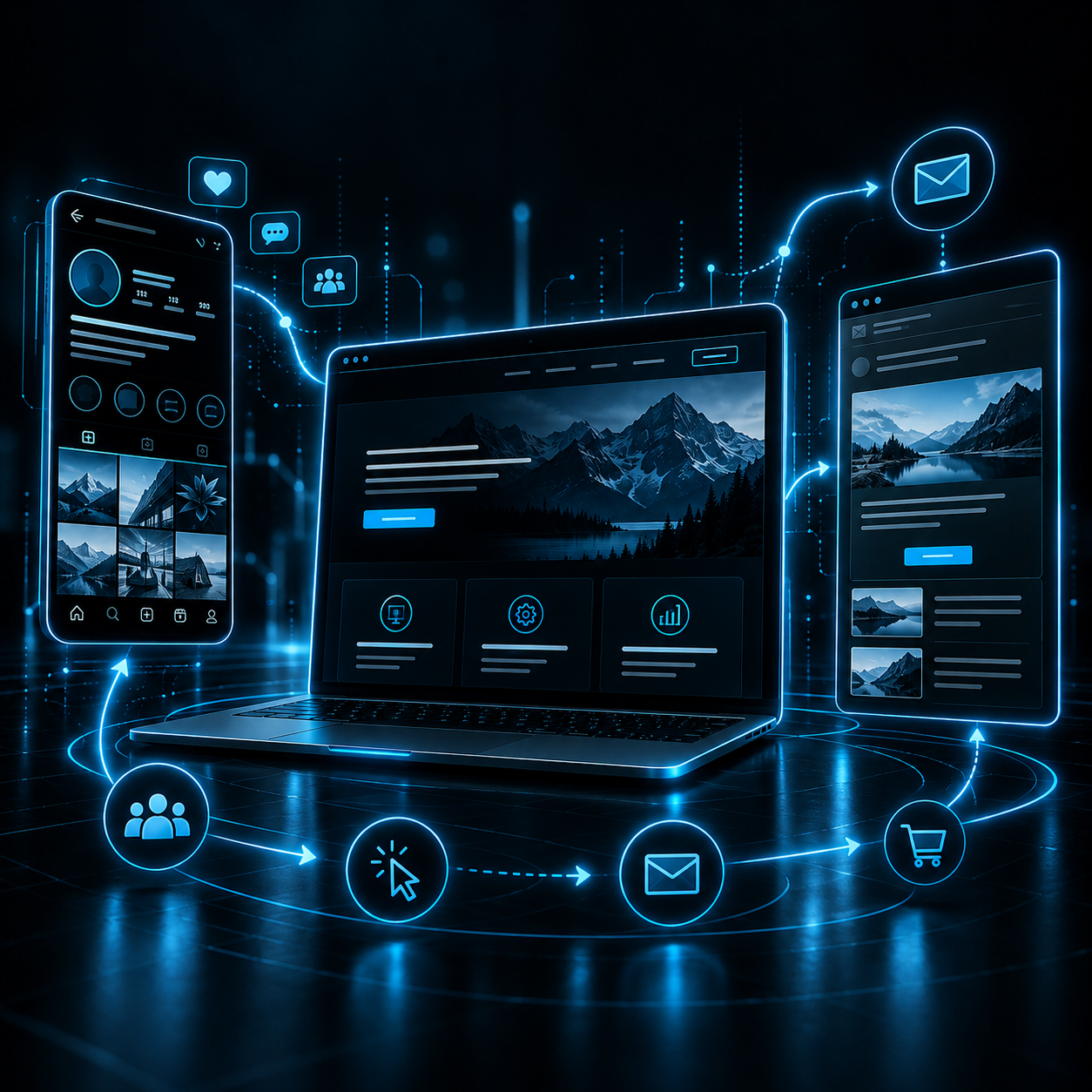
Your Website and Email Marketing Should Work Together
Your website is often where the customer journey begins.
Someone discovers your business through a Google search, social media post, advertisement or referral and lands on your website to learn more.
But what happens if they're interested without being ready to purchase or inquire?
Without a way to stay connected, they may leave your website and never return.
Email marketing creates an opportunity to continue that relationship.
A newsletter signup, downloadable resource, inquiry form or online purchase can become the starting point for a relevant automated email sequence, provided you have the appropriate permissions to contact that person.
And the relationship works both ways.
Your emails can bring subscribers back to your website to explore services, read blog posts, view recent projects or make a purchase.
Your website helps people discover and understand your business.
Email marketing helps you stay connected after they've left.
When the two work together, you're creating a more connected
customer experience instead of relying on every visitor to take action immediately.
Keep In Mind Branding and Consistency
Your email marketing should look and sound like it belongs to your business.
That means using consistent colours, fonts, imagery, messaging and tone across your website, social media and email campaigns.
If someone subscribes through a polished, professional website but receives an email that looks completely unrelated, it can create confusion.
Consistent branding helps customers recognize your business wherever they encounter it.
And recognition helps build familiarity and trust over time.
Your automated emails don't need elaborate designs, either.
A clean, mobile-friendly layout, recognizable branding and a clear call to action are often more effective than an overly complicated template.
What to Do Before You Automate
Email automation can be incredibly useful, but it's not something you should set up once and forget about forever.
A successful strategy needs a little planning and occasional maintenance.
Start with a clear purpose. Every automation should have a reason for existing. Are you welcoming subscribers, nurturing leads, encouraging repeat purchases or improving the customer experience?
Make sure you have permission to email people. In Canada, commercial electronic messages must comply with Canada's Anti-Spam Legislation (CASL), including applicable consent, identification and unsubscribe requirements. An inquiry or purchase doesn't automatically give you unlimited permission to send promotional emails.
Keep your messages relevant. Just because you can automate an email doesn't mean you should. Focus on delivering something valuable rather than filling inboxes for the sake of staying visible.
Pay attention to timing. Sending too many emails too quickly can overwhelm subscribers. Consider how different automations might overlap so customers aren't receiving several unrelated messages at once.
Review your results. Monitor metrics such as clicks, conversions, unsubscribes and revenue where applicable. Use that information to refine your messaging, timing and calls to action.
And don't forget to review your automations periodically to ensure links, offers, information and branding remain accurate.
Do You Need a Large Email List to Get Started?
Absolutely not.
You don't need thousands of subscribers or a complicated marketing platform to start benefiting from email automation.
In fact, starting small can make it easier to develop a strategy that actually works for your business.
A simple welcome sequence or customer follow-up can be a great first step.
As your audience grows and you learn more about how customers interact with your business, you can introduce additional automations.
The goal isn't to send more emails.
It's to send better emails, at better times, with less manual work.
Make Your Email Marketing Work Smarter, Not Harder
Email marketing is about more than newsletters and promotional announcements.
With the right automations in place, your business can welcome new subscribers, follow up with potential customers, support existing clients and create opportunities for repeat business.
All while giving you more time to focus on running your business.
At Strix Studios, we help businesses build connected digital marketing strategies through website design, branding and email marketing.
From designing branded email templates to developing automated customer journeys, we focus on creating marketing systems that support your business goals and provide a better experience for your customers.
Because your marketing shouldn't have to start from scratch every time you open your inbox.
Ready to put your email marketing on autopilot?
Let's talk about how Strix Studios can help you build an email marketing strategy that works for your business — even when you're off the clock.
Not sure where your website stands?
Let’s take a look together. We’ll show you what’s working, what’s not, and where the real opportunities are.